Reading can be
so much more.
Simple brain-building ideas to bring you and your child closer together.

Talk. Read. Sing.
The Imagination Library of San Antonio is proud to partner with Early Matters San Antonio and the national Talking Is Teaching: Talk, Read, Sing campaign — a public awareness movement that helps parents and caregivers recognize their power to boost their children's early brain and language development through simple, everyday actions.
Describing things on a walk. Singing songs at bath time. Reading a book before bed. These small, loving moments are how brains are built — and they cost nothing.
Learn More at TalkingIsTeaching.org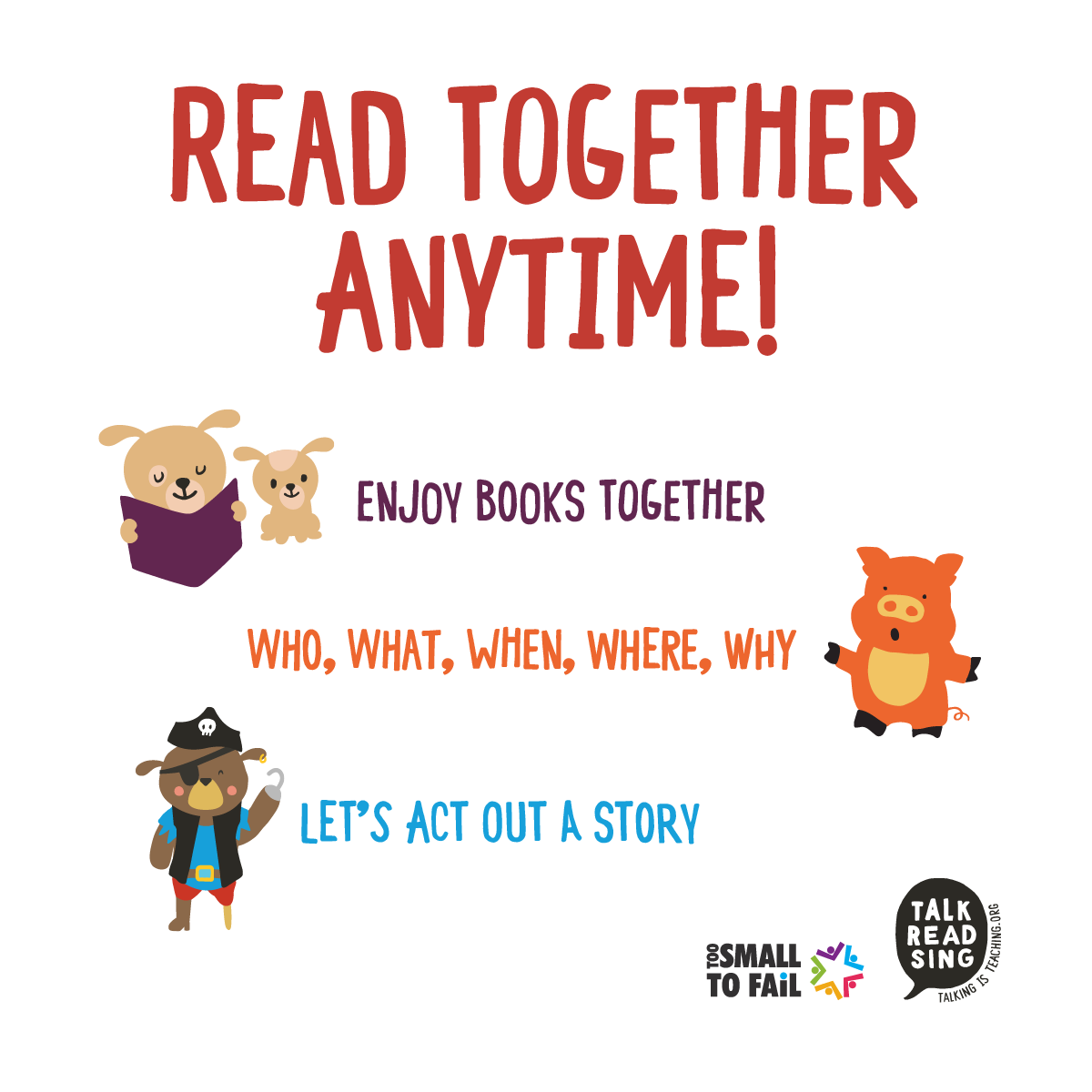
Talk
Talk to your child about anything and everything — at the grocery store, on a walk, during dinner. Every word they hear from you is building their brain. When they make sounds, respond. When they point, name it.
Read
Read together every day, starting from birth. Point to pictures, ask questions, let them turn the pages. It does not matter if you finish the book — what matters is that you opened it together.
Sing
It does not matter if you can carry a tune. Your voice is your child's favorite sound. Sing during bath time, in the car, or at bedtime. Rhymes and songs build language rhythm, memory, and joy.
Free Family Resources — Talk, Read, Sing
Download these free tip sheets — available in English and Spanish — developed by the Talking Is Teaching campaign and the U.S. Departments of Education and Health and Human Services.
Reading ideas for every stage
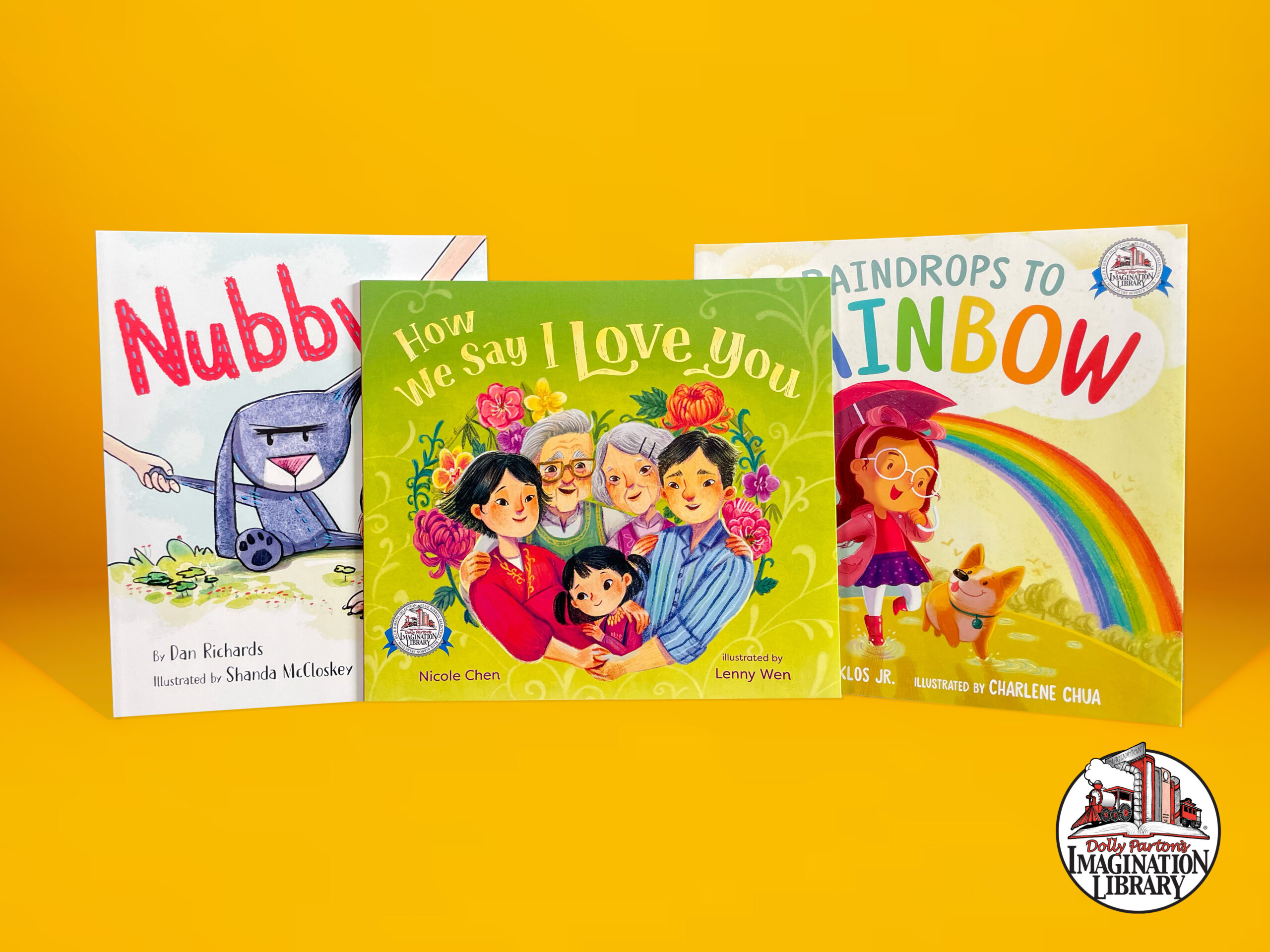
Every Imagination Library book is matched to your child's development. Here is how to make the most of each one.
Birth to 12 months
Board books, black and white patterns, simple shapes and faces
Let them play with the book
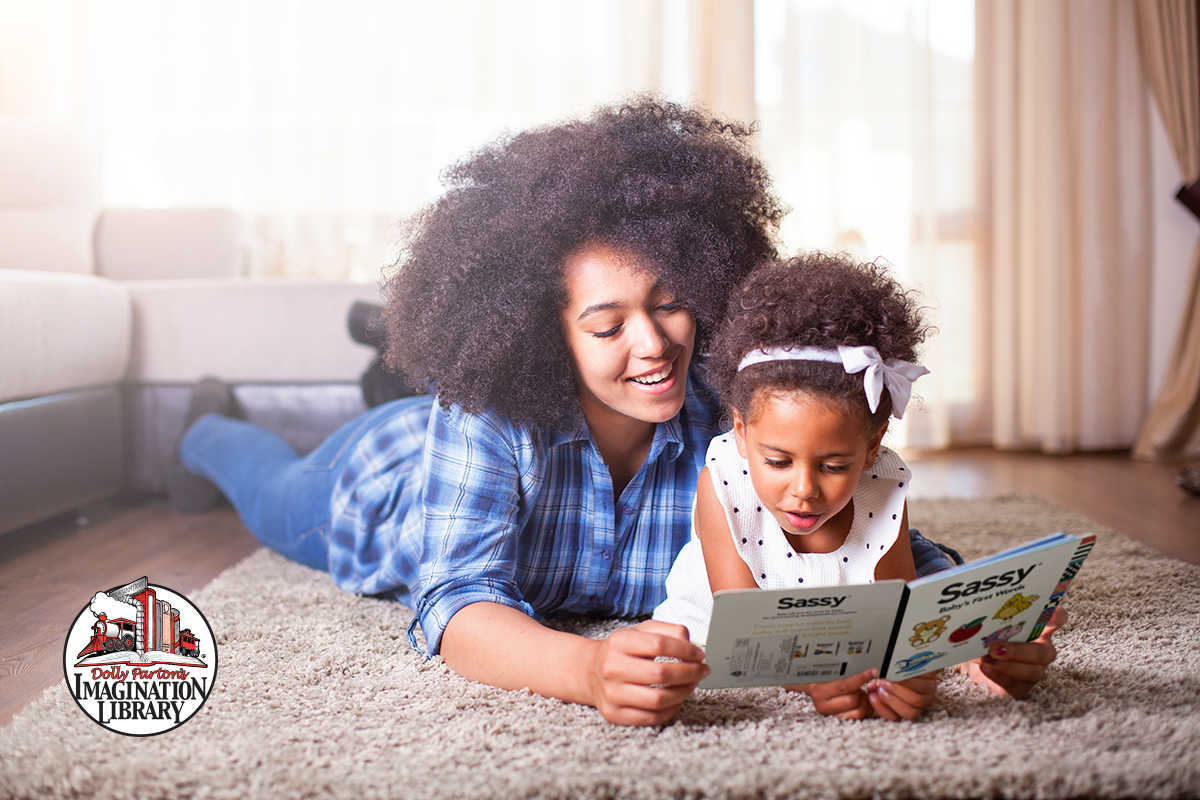
Stack books into towers, carry them from room to room, flip pages just for the joy of it, or look at the pictures and point. There is no wrong way to explore a book at this age — every moment with it is building a relationship with reading.
Talk about what you see — narrate everything
You do not need to read every word. Just describe what is on the page: "That is a dog. The dog is brown. Can you see the dog's tail?" Every word you say builds vocabulary, even before your baby can talk back.
Read the same book over and over
Repetition is how babies learn. The same board book read dozens of times is building language rhythm, pattern recognition, and a sense of comfort and predictability. If they love it, keep reading it.
1 to 2 years
Simple stories, familiar objects, animals and sounds
Point and name everything on the page
At this age, children are building vocabulary at an astonishing pace — often learning several new words a day. Pointing to pictures and naming them is one of the most powerful things you can do.
Make sounds and silly voices
If there is a dog on the page, bark. If there is a baby, whisper. Children at this age respond strongly to tone and expression — the sillier the better. This is how they learn that stories are alive and playful.
Let them turn the pages
Giving your toddler control of the pages makes them feel like an active participant in the story. Even if they skip ahead or go backwards, they are learning how books work and developing a sense of ownership over the experience.
3 to 5 years
Picture books, characters, feelings, imaginative stories
Ask "what do you think happens next?"
Before you turn the page, pause. Ask your child to predict. This builds narrative thinking, comprehension, and the wonderful habit of engaging actively with stories rather than passively listening.
Connect the story to your child's life
Every Dolly Parton book comes with an inner flap of engagement questions written by early literacy experts. These prompts help you connect the story to your child's own experiences — making abstract ideas feel personal and real.
Let them retell the story their own way
After reading, close the book and ask your child to tell you the story back — using the pictures if they like. This is one of the best indicators of reading readiness and builds narrative language that carries directly into school success.
The inner flap — a little gift inside every book
Every Imagination Library book arrives with an inner flap created by Dolly's early literacy team. It turns every book into a starting point for play, conversation, and creativity — no preparation needed.
Questions about the story
Each flap includes questions to ask while you read together — sparking conversation about characters, feelings, and what happens next in the story.
Simple crafts and activities
Many flaps include a quick craft or activity inspired by the story — things to make, draw, or do together that bring the book to life beyond the page.
Connecting the story to their world
Prompts that help your child see themselves in the story — linking what they just heard to their own life, family, and everyday experiences.
See every book your child will receive.
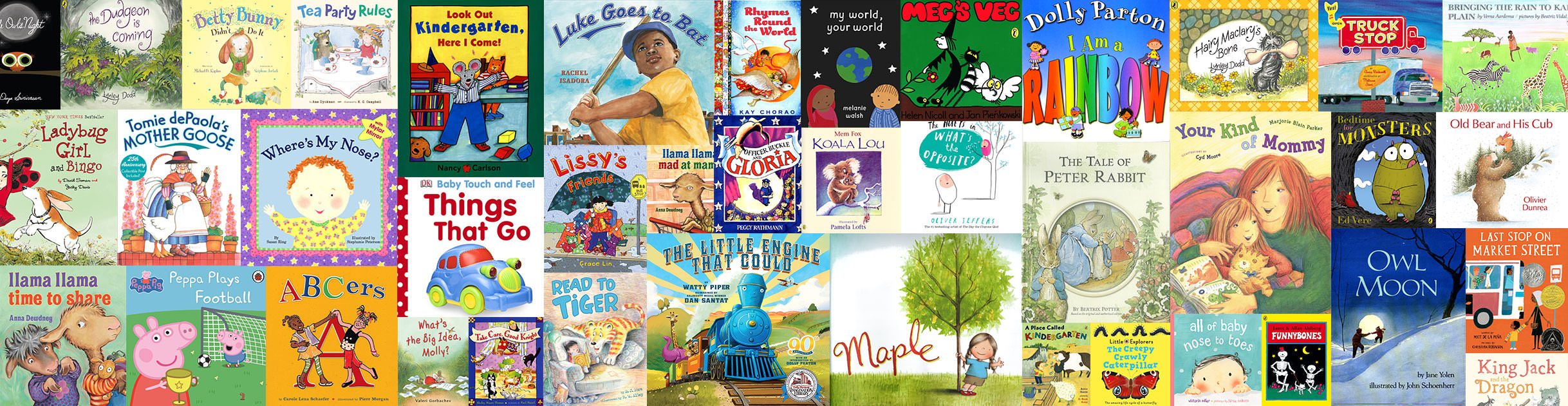
The full Imagination Library book list is available on the national website — browse by age, explore past and current titles, and discover what is coming next for your little one.
Browse the Full Book List